
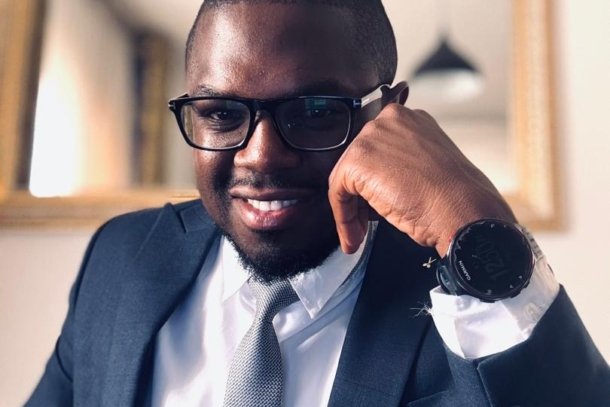
By Miller Chibomba
One of the most expensive habits I have observed in organizations, teams, and even in our personal careers is waiting.
Waiting for approval.
Waiting for the perfect strategy.
Waiting for more resources.
Waiting for conditions to improve.
Waiting for confidence.
Waiting for certainty.
Over the years, I have come to realize that while waiting often feels safe, it carries a cost that is rarely measured.
The cost of missed opportunities.
The Illusion of the Perfect Moment
We often convince ourselves that action should only come once everything is in place.
The plan must be perfect.
The funding must be secured.
The risks must be fully understood.
The timing must be right.
The stars must align.
The problem is that perfect conditions rarely exist.
In fact, many of the most significant decisions I have made in my career were made without complete certainty.
Not recklessly.
Not without due consideration.
But with the recognition that waiting for complete certainty often means waiting forever.
Progress Is Usually Messy
Working in technology, transformation, and continuous improvement has taught me something important:
Progress rarely begins with a masterpiece.
It begins with a first step.
The systems that work well today were once imperfect ideas.
The processes that now seem obvious were once experiments.
The successful initiatives we celebrate today were often accompanied by doubt, criticism, and uncertainty when they were first proposed.
We admire success in hindsight.
But we often forget that success started as somebody’s willingness to move before all the answers were available.
Organizations Wait Too
Individuals are not the only ones guilty of waiting.
Organizations can become experts at it.
A report identifies a problem.
A committee is formed.
Another report is commissioned.
A workshop is held.
A task force is created.
An implementation plan is developed.
A review meeting is scheduled.
Eventually, everyone forgets what the original issue was.
I sometimes joke that some organizations are exceptionally good at preparing to improve.
What they struggle with is actually improving.
Preparation matters.
But progress requires action.
Action Creates Clarity
One reason people wait is because they want clarity.
Ironically, action is often what creates the clarity they are seeking.
You learn by doing.
You learn by testing.
You learn by trying.
Very few breakthroughs occur because somebody spent another six months thinking about them.
Most breakthroughs happen because somebody decided to start.
Careers Are Built Through Movement
Looking back on my own career, some of the most meaningful opportunities came from being willing to step into unfamiliar territory.
Not because I knew exactly how things would unfold.
But because growth rarely happens inside familiar boundaries.
Many professionals spend years waiting for somebody to recognize their potential.
Waiting for promotion.
Waiting for opportunity.
Waiting for permission.
The reality is that careers tend to accelerate when people start creating opportunities instead of waiting for them.
The Risk of Standing Still
We spend a lot of time talking about the risks of action.
What if it fails?
What if it doesn’t work?
What if people disagree?
Those are valid concerns.
But we spend far less time discussing the risks of inaction.
What opportunities are lost?
What lessons are never learned?
What improvements never happen?
What innovations never emerge?
Sometimes the greatest risk is not making the wrong decision.
Sometimes it is making no decision at all.
Final Reflection
I am not advocating for careless action.
Good leadership still requires planning, analysis, and thoughtful decision-making.
But there comes a point where preparation must give way to progress.
A point where we stop waiting for perfect conditions and start working with the conditions we have.
Because progress rarely arrives by invitation.
It rarely announces itself.
More often than not, it appears when somebody decides to take the first step.
And in my experience, the future tends to favor those who are willing to move before everything is certain.
After all, opportunity has an interesting habit:
It usually shows up only after you’ve started walking toward it.